Introduction
The software industry in India is growing very fast, creating huge job opportunities every year. India already has 43 lakhs software engineers and is the second-largest tech talent pool in the world.
The demand for skilled developers is increasing at 10-11% every year, especially in areas like web development, backend, and AI.
However, despite this high demand, many students and professionals still face one common problem:
Which course is best for a software job?
The real challenge is not opportunities, but choosing the right skills and learning path. A successful software career requires strong fundamentals, practical skills, and structured learning.
This blog will help you understand the best courses for software jobs and how to choose the right path for your career.
Who is a Software Engineer?
A software engineer is a professional who designs, develops, tests, and maintains software applications or systems that solve real-world problems. They use programming languages, tools, and frameworks to build efficient and scalable solutions used in everyday technology.
Common Roles of a Software Engineer Include:
→ Software Developer
→ Backend Engineer
→ Frontend Developer
→ Full Stack Developer
→ Software Tester
→ Data Engineer
A software engineer is expected to have a strong understanding of programming, problem-solving skills, and the ability to work on real-world projects and systems.
Confused about software engineer levels?
Read our guide on SDE 1 vs SDE 2 vs SDE 3 to understand roles, skills, and salary growth.
Why Choosing the Right Course is Important
Selecting the right course plays a major role in your career success.
Key Benefits of Choosing the Right Course:
→ Builds a strong foundation in programming and problem-solving
→ Helps you learn industry-relevant technologies
→ Improves your ability to crack technical interviews
→ Provides practical exposure through projects
→ Increases chances of getting high-paying jobs
A structured course ensures that you do not waste time learning unnecessary or outdated topics.
Best Courses for Software Jobs
Below are the most effective courses explained in detail, similar to how top training platforms structure their learning paths.
1. Programming Courses (Foundation Course)
Programming is the starting point of every software career. It helps you understand how applications are built and how systems work internally. This course focuses on developing logical thinking and writing efficient code using popular languages like Python, Java, or C++.
Programming teaches you how to break down complex problems into smaller steps and solve them using code. It also introduces important concepts like Object-Oriented Programming, which are widely used in real-world applications. A strong programming foundation makes it easier to learn advanced topics later.
What You Will Learn:
→ Foundation of programming logic and syntax
→ Variables, loops, and conditionals
→ Object-Oriented Programming (OOPs) concepts
→ Writing clean and efficient code
2. Data Structures and Algorithms (DSA)
Data Structures and Algorithms focus on solving problems efficiently using the right approach. It teaches you how to organize data and optimize solutions to improve performance. This course is considered the most important for technical interviews in software companies.
DSA helps in building strong analytical thinking and improves your ability to handle complex coding problems. It is widely used in real-world systems such as search engines, recommendation systems, and large-scale applications. Mastering DSA can significantly increase your chances of getting high-paying jobs.
What You Will Learn:
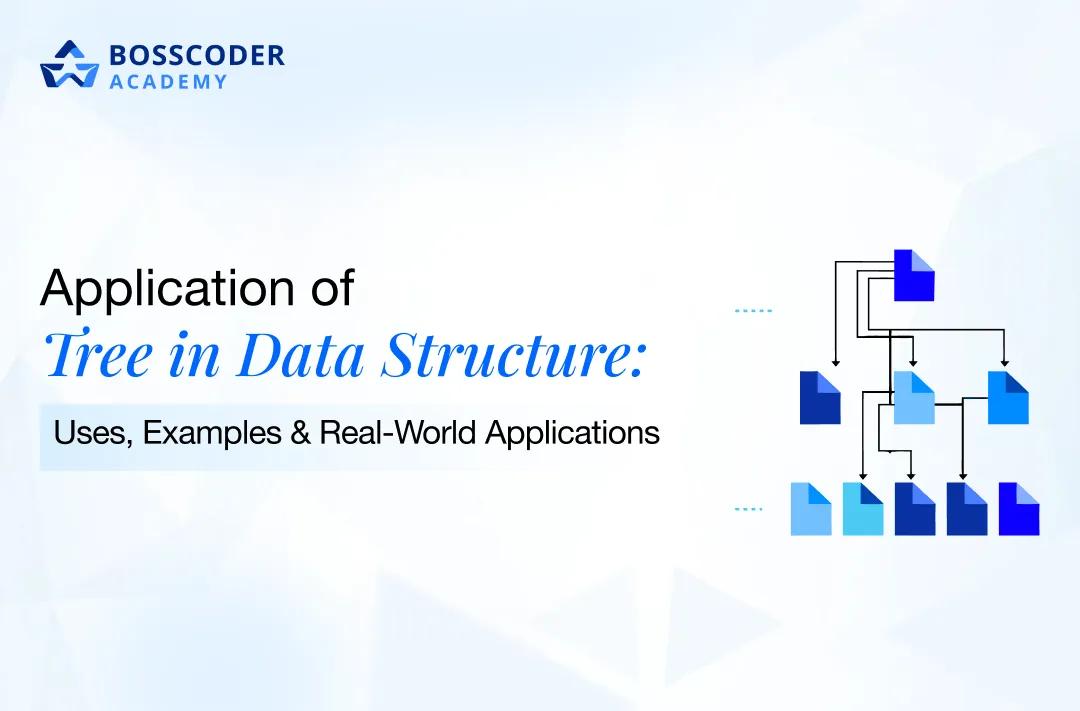
→ Arrays, Linked Lists, Stacks, and Queues
→ Trees, Graphs, and Hashing
→ Recursion and Backtracking
→ Dynamic Programming
Struggling with coding and interview preparation?
Learn problem-solving with structured practice and real interview questions. Master software skills with Bosscoder Academy with 1:1 mentorship & live classes.
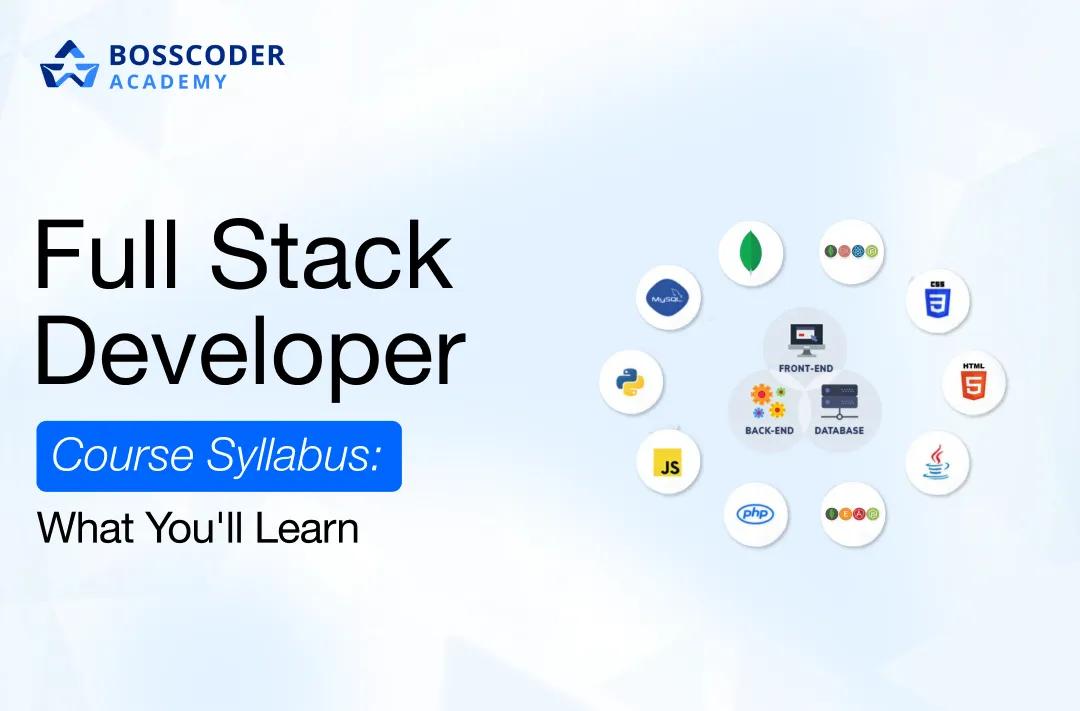
3. Web Development / Full Stack Development
Full Stack Development teaches you how to build complete web applications from frontend to backend. It covers everything from designing user interfaces to handling server logic and databases. This course is highly practical and focuses on real-world project development.
You will learn how modern websites and applications like e-commerce platforms or dashboards are created. It also helps you understand how different parts of an application work together. Full stack development is one of the most in-demand skills in the software industry today.
What You Will Learn:
→ Frontend using HTML, CSS, JavaScript
→ Frameworks like React
→ Backend using Node.js and Express
→ Database integration (MongoDB, SQL)
4. Backend Development Course
Backend development focuses on the server-side logic of applications. It is responsible for handling data, processing requests, and ensuring smooth communication between the frontend and database. This course teaches how systems work behind the scenes.
Backend developers play a critical role in building scalable and secure applications. You will learn how to design APIs, manage databases, and optimize performance. This field is highly valued because every application depends on a strong backend system.
What You Will Learn:
→ API development and integration
→ Server-side programming
→ Database design and queries
→ Authentication and security
5. Software Testing Course
Software testing ensures that applications work correctly and meet quality standards. This course focuses on identifying bugs, improving performance, and maintaining reliability. It plays an important role in the software development lifecycle.
Testing helps ensure that users get a smooth and error-free experience. With the growth of automation, testing has become more advanced and efficient. It is also one of the easiest entry points into the software industry.
What You Will Learn:
→ Manual testing techniques
→ Automation testing tools (Selenium)
→ API testing
→ Bug tracking and reporting
6. Data Science and AI Courses
Data Science and Artificial Intelligence focus on extracting insights from data and building intelligent systems. These courses are highly advanced and are used in modern technologies like recommendation systems, chatbots, and analytics platforms.
You will learn how to analyze large datasets, build machine learning models, and make data-driven decisions. These skills are widely used in industries like finance, healthcare, and e-commerce. Data science roles are among the highest-paying in the tech industry.
What You Will Learn:
→ Data analysis and visualization
→ Machine Learning algorithms
→ Python libraries (Pandas, NumPy)
→ AI concepts and models

7. Cloud Computing Course
Cloud computing is essential for building and managing modern software applications. It allows companies to store data, run applications, and scale systems without maintaining physical servers. This course focuses on using cloud platforms like AWS, Azure, and Google Cloud.
Cloud technology helps organizations deploy applications faster and handle large-scale traffic efficiently. It is widely used in almost every tech company today. Learning cloud computing makes you job-ready for roles in backend, DevOps, and system architecture.
What You Will Learn:
→ Cloud platforms (AWS, Azure, GCP)
→ Application deployment
→ Cloud services and architecture
→ Scaling and monitoring systems
8. Google IT Automation with Python
Google IT Automation with Python is a beginner-friendly certification course designed to build a strong foundation in software engineering and automation. It focuses on practical skills like writing Python scripts, working with Linux systems, and using version control tools like Git and GitHub.
This course helps you understand how software systems are built, deployed, and maintained in real-world environments. It also teaches problem-solving, automation, and best practices used in modern software development.
By learning these concepts, you can build efficient solutions, improve productivity through automation, and work effectively in development teams. It also helps you adapt quickly to new technologies and tools used in the industry.
What You Will Learn:
→ Python programming for automation
→ Linux commands and system operations
→ Shell scripting using BASH
→ Git and GitHub for version control
→ Software Development Lifecycle (SDLC)
→ Basics of software design and architecture
Software Engineer Roles and Responsibilities
A software engineer is responsible for building reliable, scalable, and high-quality software solutions that solve real-world problems. They work across different stages of development, from planning to deployment and maintenance.
Key Responsibilities Include:
→ Designing and managing the Software Development Lifecycle (SDLC)
→ Understanding requirements and creating technical solutions
→ Writing clean, efficient, and maintainable code
→ Testing and debugging software to ensure quality
→ Integrating different components into a complete system
→ Collaborating with teams and stakeholders on project goals
→ Monitoring system performance and fixing issues
→ Deploying applications and improving them based on user feedback
→ Maintaining and updating software with new features
A software engineer’s role is not limited to coding. It also involves problem-solving, system thinking, and continuous improvement.
Software Engineer Skills
To succeed in a software job, you need a combination of technical knowledge and practical skills. These skills help you perform tasks efficiently and grow in your career.
1. Technical Skills
These are the core skills required to build software applications:
→ Proficiency in programming languages like Java, Python, JavaScript, or C++
→ Understanding of Data Structures and Algorithms
→ Knowledge of databases (SQL and NoSQL)
→ Familiarity with backend or full stack development
→ Basic understanding of system design
2. Industry-Relevant Skills
These skills help you stay aligned with current industry trends:
→ Cloud computing (AWS, Azure, GCP)
→ DevOps and deployment practices
→ Cybersecurity basics
→ API development and integration
→ Exposure to AI/ML or data-driven systems (optional but valuable)
3. Soft Skills
Soft skills improve your productivity and help you work effectively in teams:
→ Problem-solving and logical thinking
→ Communication and collaboration
→ Time management and consistency
→ Adaptability to new technologies
→ Attention to detail
Conclusion
Choosing the best course for a software job depends on your goals, experience, and learning approach. There is no single course that guarantees success. The key is to focus on fundamentals, practical skills, and consistent practice.
A combination of DSA, development, and system design creates the strongest foundation for a successful software career. With the right guidance and structured learning, you can achieve your career goals faster.
Start your journey with a clear and structured roadmap instead of random learning. Build strong skills with expert guidance and real interview preparation. Join Bosscoder Academy and accelerate your software career
Frequently Asked Questions:
1. Which course is best for software job?
Courses like Data Structures & Algorithms, Full Stack Development, Data Science, Backend Development, and Cloud Computing are the best for software jobs.
2. Which branch is best in software field?
Backend development, cloud engineering, DevOps, and full stack development are among the best career paths in software engineering.
3. Which programming languages are best to learn?
Python, Java, JavaScript, and C++ are the most popular and widely used programming languages in the industry
4. Which course offers the highest salary in software field?
Data Science, AI/ML, Cloud Computing, and Backend Engineering usually offer the highest salary packages.
5. What is the salary of a software engineer in India?
The average salary ranges from ₹8 LPA to ₹20+ LPA, depending on skills, experience, and company.