If you are working in the tech industry, you’ve probably thought about switching jobs at some point or moving to a better company.
But here’s the reality most professionals face. Even with 2-5 years of experience, many software engineers still struggle when it comes to clearing interviews or getting shortlisted for better roles.
In fact, reports suggest that a large number of tech professionals actively looking for job switches feel under-prepared for product-based company interviews, especially in areas like DSA, system design, and problem-solving.
And that’s where the gap starts showing.
You may already be working in a good company, writing code every day, and handling projects. But when it comes to interviews, resume filtering, and competitive hiring rounds, things suddenly feel very different.
Because in today’s tech industry, being experienced and being job-ready are not the same thing.
That’s why structured upskilling has become so important for professionals who want to grow, switch roles, or move into better product-based companies.
Being Employed Doesn't Always Mean Being Job-Ready
One of the biggest misconceptions in the tech industry is thinking that having a job automatically means you are ready for the next one.
In reality, many software engineers spend 2 to 5 years working in companies but still feel stuck when they try to switch roles or apply to better product based companies.
You might be writing production code, working on tickets, and even handling real projects. But when it comes to interviews, the expectations are completely different.Suddenly you are expected to solve DSA problems under time pressure, explain system design concepts clearly, and write optimized solutions on the spot.
And that’s where many professionals struggle.
Because day to day job work and interview preparation don’t always overlap. Most service based or even mid level product roles don’t train you for competitive hiring rounds.
So even if you are experienced, the lack of structured interview preparation can hold you back from better opportunities.
That gap between working in a job and being ready for the next one is exactly what slows down career growth for many tech professionals.
What Does “Job-Ready” Actually Mean in Tech?
A lot of people hear the term “job-ready,” but it’s not always clear what it actually means in real terms.In the tech industry, being job ready doesn’t just mean writing code at your current job. It means being prepared for competitive interviews where expectations are much higher and more structured.
For example, → you are expected to solve data structures and algorithms problems quickly and correctly, even if you are not using them daily at work. You also need to understand system design concepts well enough to explain how large scale applications like Netflix, Whatsapp etc are built.
→ Along with technical skills, your resume also plays a big role. If it is not structured properly or doesn’t highlight impact clearly, it often gets rejected before even reaching an interview round.
→ And then comes the interview performance itself, where clarity, confidence, and problem-solving approach matter as much as the final answer.
So being job-ready in tech actually means combining three things together. Strong fundamentals, strong interview preparation, and the ability to present your experience in the right way.Core Skills Required to Become Job-Ready in Tech
Before you think about switching jobs or aiming for product-based companies, try to understand what actually makes someone “job-ready” in tech.
It’s not just experience. It’s a mix of a few core skills that decide how far you go in interviews and career growth.
Here are the key ones:
- Data Structures and Algorithms (DSA): This is still the most important filter in product-based company interviews.
- System Design fundamental: Understanding how scalable applications are built and how systems work at scale.
- Strong Resume Building: Not just listing experience, but showing impact, projects, and measurable work.
- Interview Problem Solving: Being able to think clearly under pressure and communicate your approach.
- Communication Skills: Explaining your thinking in a structured and confident way during interviews.
Most professionals don’t lack experience, they lack structured preparation in these areas.
And that gap is exactly what decides whether you move forward in your career or stay stuck in the same role.
Why Most Working Professionals Struggle with Job Switches
Even after gaining a few years of experience, many tech professionals still find job switches surprisingly difficult.
One big reason is the lack of structured upskilling. Most people learn things on the job, but that alone is not enough to clear competitive interviews for better companies.
Another challenge is time. When you are already working 9 to 10 hours a day, it becomes hard to consistently prepare for DSA, system design, or interview practice.
There is also confusion about where to start. Some focus only on coding problems, others only on resumes, but without a clear roadmap, progress feels slow and scattered.
And finally, without proper mentorship or feedback, it’s easy to repeat the same mistakes in interviews again and again.
That’s why many professionals feel stuck even when they are actively trying to grow through upskilling.
How Structured Learning Helps You Crack Product-Based Companies
When you look at professionals who successfully switch into product-based companies, one common thing stands out. They don’t just study randomly, they follow a structured learning path.
Instead of guessing what to prepare next, structured learning gives a clear roadmap for upskilling. You know exactly what to focus on first, what to practice daily, and how to track progress.
This becomes especially important when you are already working, because time is limited and you can’t afford scattered preparation or trial-and-error learning.
It also helps bridge the gap between what you already know → what companies actually expect in interviews. It keeps your preparation aligned with real product-based hiring standards.
This is where platforms like Bosscoder Academy comes in, by mapping learning directly to industry expectations and helping professionals prepare in a more focused and practical way.
How Bosscoder Programs Help You Become Job-Ready
This is exactly where Bosscoder Academy programs come into the picture for many working professionals.
Instead of leaving you to figure things out on your own, the focus is on structured upskilling with a clear roadmap. You work on DSA and system design in a guided way, so you actually know what matters for product-based company interviews.
Along with that, resume building is not just a template exercise. It focuses on showing real impact so your profile stands out during shortlisting such as:
→ Structured learning roadmap focused on industry-relevant skills
→ Guided preparation for DSA, system design, and technical interviews
→ ATS-friendly resume building and LinkedIn optimization
→ Mock interviews with actionable feedback from mentors
→ Referral support through mentor and alumni networks
→ Access to curated job opportunities and 500+ hiring partners
For professionals aiming for a job switch or salary growth, this kind of structured support makes the preparation more focused and less overwhelming.
Conclusion
At the end of the day, switching jobs is not just about getting a new offer, it’s about building a stronger long term career.
Many working professionals struggle not because they lack talent, but because they lack the right direction and structured upskilling approach. Once that gap is fixed, career growth becomes much more achievable.
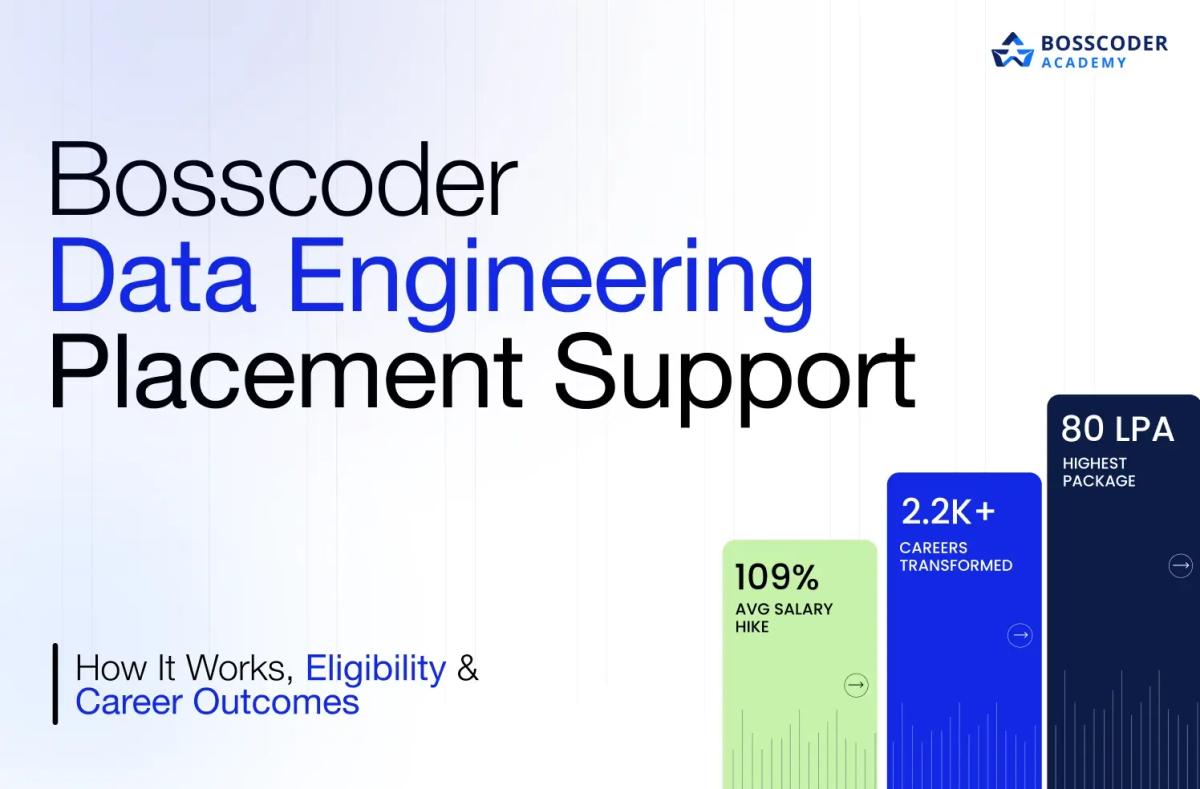
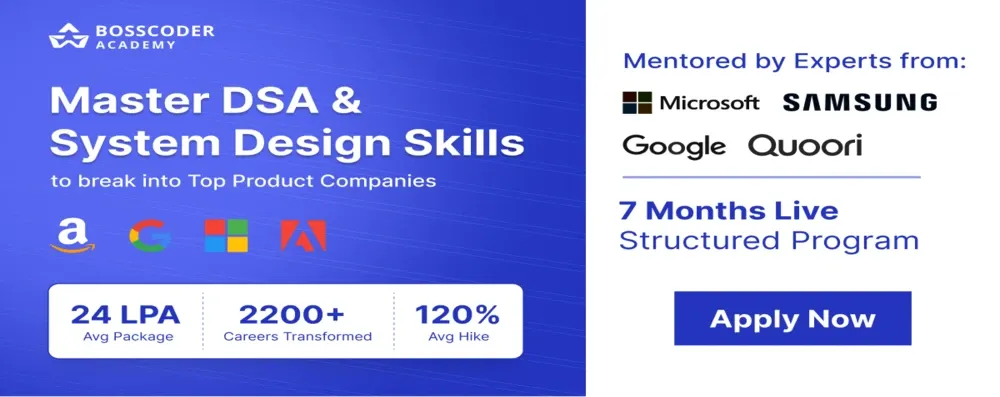
Over time, Bosscoder Academy has supported 2200+ of working professionals in improving their interview readiness, strengthening DSA and system design skills, and successfully transitioning into better roles and product-based companies.
The focus is not just on learning, but on real outcomes like job switches, better opportunities, and long-term salary growth.
If you are planning your next career move, it’s worth exploring structured programs like Bosscoder Academy to understand how guided preparation can make a real difference.
Frequently Asked Questions (FAQs)
Q1. How do Bosscoder programs help software engineers become job-ready?
The programs offered at Bosscoder will help you become job-ready by providing structured upskilling, including Data Structures & Algorithms (DSA), System Design, Mock Interviews, Resume Building, and 1:1 Mentorship, in order to allow working professionals to increase their interview readiness prior to applying for jobs at product-based companies.
Q2. Is Bosscoder Academy suitable for working professionals with 2-5 years of experience?
Yes, the programs provided by Bosscoder are specifically designed for working professionals who want to strengthen their fundamentals and develop problem-solving skills, as well as for those looking to make a job switch while working full-time.
Q3. What skills are required to become job-ready for product-based companies?
Most product-based companies evaluate candidates based on their Data Structures & Algorithms (DSA), system design capabilities, problem-solving abilities, communication skills, and a well-structured resume that highlights measurable impact.
Q4. Can Bosscoder Academy help with job switches and interview preparation?
Bosscoder Academy provides structured learning, mock interviews, resume reviews, LinkedIn optimization, 1:1 mentorship, and placement support to help preparing professionals with technical interviews and opportunities for advancement in their careers.