Choosing the right learning environment is an important decision in a student’s life. It shapes not just what they learn, but also how they think, collaborate, and grow. At Bosscoder School of Technology (BST), campus life goes beyond classrooms and academic schedules. It brings together technology-focused learning, practical projects, mentorship, and opportunities for personal and social development.
From hands-on learning and collaborative projects to student clubs, campus activities, and interactions with technology professionals, BST aims to create an environment where students can explore their interests and develop practical skills.
With a focus on applied technology learning, students are encouraged to start thinking, building, and solving problems from the beginning of their learning journey.
1. A Campus Built for Modern Learning
Bosscoder School of Technology is located in Bengaluru, India’s tech capital, Sattva Global City on Mysore Road, Bengaluru, a city known for its technology companies and startup ecosystem. The campus is designed to feel like a real engineering workspace
What makes the learning environment different?
- Smart classrooms and high-tech labs, including innovation labs, that support coding, AI, system design, and hands-on experimentation
- High-speed WiFi, modern tools, and a well-equipped library that support focused learning and research
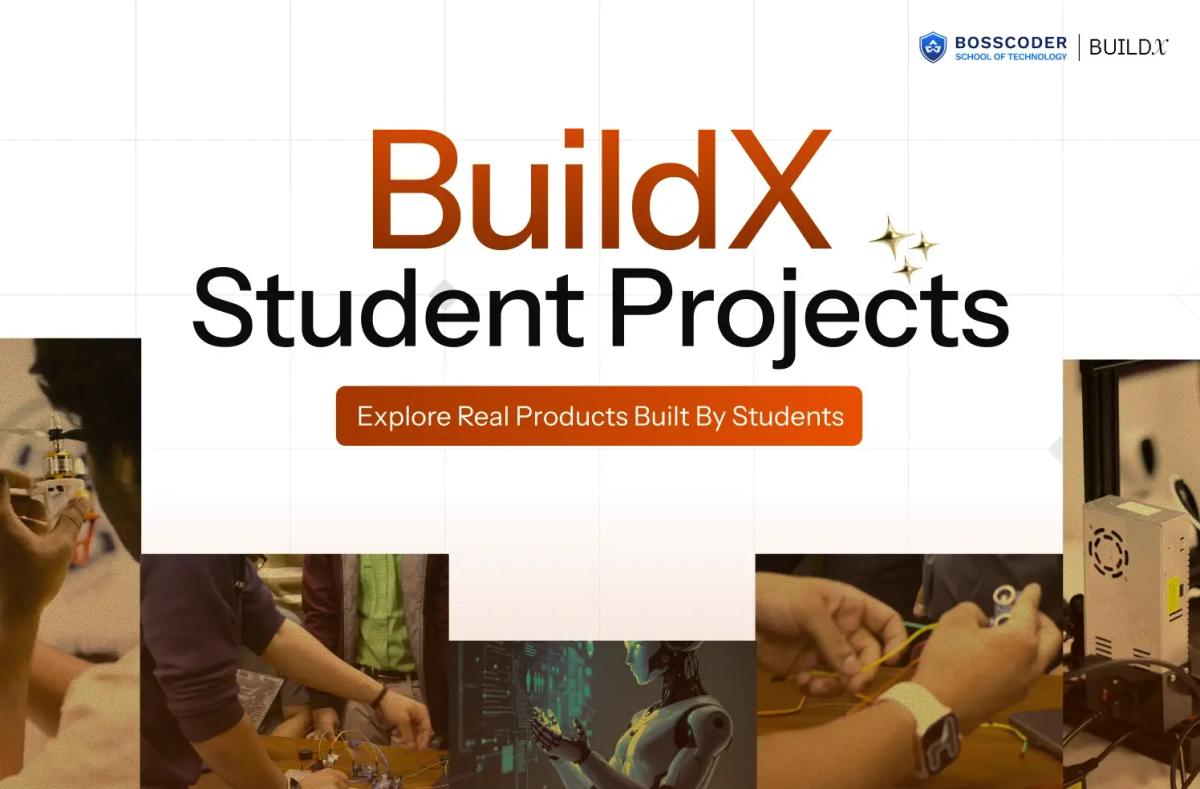
- Collaborative lounges and project spaces where students work on real projects, hackathons, and group assignments
The aim of learning at BST is to help students connect what they learn with how technology works in real-world situations.
2. Learning That Connects With the Real Tech World
At BST, the learning approach focuses on connecting technical fundamentals with practical application. Students are encouraged to understand concepts, experiment with ideas, and apply their knowledge through projects.
Key areas of learning may include:
- Data Structures and Algorithms (DSA).
- Web development and programming.
- Core Computer Science concepts.
- Artificial Intelligence and Machine Learning.
- Software systems and problem-solving.
Understanding the learning journey
Year 1: Build Foundations
Students develop foundational skills in programming, mathematics, and problem-solving. Practical exercises and projects can help them apply these concepts as they learn.
Year 2: Explore Core Systems
Students build on their foundations by exploring core Computer Science areas such as operating systems, databases, computer networks, and software development, according to the curriculum.
Year 3: Develop Deeper Expertise
Students can build more advanced technical skills and explore relevant areas of technology through projects and guided learning, depending on the programme structure and available specializations.
Year 4: Apply What You Have Learned
The final stage of a learning journey can provide opportunities to apply technical knowledge through advanced projects and other practical experiences. Any internship, industry immersion, or startup component depends on the programme's confirmed structure and applicable requirements.
This progressive approach aims to help students strengthen their technical understanding and become more confident in applying what they learn.
Explore the Bosscoder School of Technology curriculum to understand how students build strong Computer Science foundations, develop practical skills, and gain industry exposure throughout their learning journey.
3. Hostel Life: A Safe, Comfortable Home Away From Home
Life at BST goes beyond classrooms. Students live in well-equipped hostels that are designed to support focus, comfort, and community living.
Hostel facilities include:
- Comfortable, study-friendly rooms with high-speed WiFi
- Secure campus with separate facilities for boys and girls
- Healthy meals with vegetarian and non-vegetarian options
- Laundry, housekeeping, reading rooms, and common areas
- 24/7 student support and emergency assistance
Hostel life at BST is where friendships are built like late-night debugging sessions, group discussions, fitness routines, and memories that last well beyond college.
4. Culture, Clubs, and Student Activities
Campus life is not limited to academic learning. Opportunities to explore interests, collaborate with peers, and participate in activities can also contribute to a student's development.
Depending on the activities organised during the academic year, students may have opportunities to participate in:
- Technology clubs and coding groups: Sharing knowledge, practising technical skills, and learning from peers.
- Hackathons and innovation challenges: Working in teams to develop ideas and solve problems.
- Cultural activities: Exploring dance, music, creative expression, and student-led events.
- Sports and fitness: Participating in physical activities and building healthy routines.
- Communication and leadership activities: Developing teamwork, presentation, and collaboration skills.
A day in a technology-focused learning environment can include structured learning, practical project work, peer collaboration, and extracurricular activities, depending on the schedule.
These experiences can help students discover interests beyond their technical subjects and become active members of a learning community.
5. Mentorship That Shapes Everyday Campus Life
One of the strongest parts of life at BST is constant access to mentors, not just during exams or placements, but every day on campus.
Students benefit from:
- 1:1 mentorship from engineers working at top tech companies
- Dedicated Student Success Managers on campus
- Regular feedback, career guidance, and progress tracking
This everyday support helps students learn how to think like engineers, handle pressure, and grow steadily throughout their college journey.
Want to know why mentorship plays such an important role at BST? Read more in Why Mentorship Matters at Bosscoder School of Technology
6. Career Exposure Integrated Into Campus Life
At BST, career preparation is not a final-year activity it’s part of everyday campus life.
Career-focused opportunities include:
- Paid industry internship in the final year
- 500+ hiring partners for internships and placements
- Startup Studio and Innovation Lab for students interested in entrepreneurship
- Dedicated startup fund of ₹1 Crore, along with guidance from experienced founders, CEOs, CTOs, and CXOs
- Industry talks and real-world problem solving through hands-on projects
Students graduate not only with a degree, but with real experience, strong portfolios, and clarity about their future paths like placements, startups, or higher studies.
7. Growing Together as a Community
A learning community can influence how students approach challenges, share ideas, and work with others.
Campus life at BST aims to bring students together through learning, collaboration, projects, and shared activities.
Through these experiences, students can work towards developing:
- Problem-solving skills: Breaking down complex questions and exploring possible solutions.
- Communication and teamwork: Sharing ideas, listening to different perspectives, and working towards common goals.
- Adaptability: Learning from mistakes, responding to feedback, and improving their approach.
- Independence and discipline: Managing responsibilities and building consistent learning habits.
- A builder's mindset: Exploring ideas, experimenting, and turning concepts into practical outcomes.
These skills develop over time through practice, reflection, and active participation in the learning environment.
Final Thoughts
Campus life at Bosscoder School of Technology brings together learning, collaboration, and opportunities for personal growth. Its focus on applied technology learning encourages students to build strong fundamentals, explore practical projects, and understand how technical knowledge can be used to solve problems.
When exploring BST, look beyond the campus description. Understand the curriculum, available facilities, mentorship opportunities, student activities, accommodation arrangements, and applicable programme details to decide whether the experience aligns with your goals.
A meaningful learning journey is about more than what you study. It is also about what you build, what you discover, and how you grow along the way.
Explore Bosscoder School of Technology to learn more about its learning approach, programme structure, and campus experience.
Frequently Asked Questions (FAQs)
Q1. How is campus life at Bosscoder School of Technology different from traditional colleges?
Campus life at Bosscoder School of Technology is built around industry-style learning and real engineering work. Instead of theory-heavy lectures, students spend most of their time building projects, practicing coding, working in labs, and learning from mentors who have worked in top tech companies. The campus environment feels more like a tech workplace than a traditional college.
Q2. Does the BST curriculum really focus on practical skills from Day 1?
Yes. BST follows a project-first, industry-aligned curriculum where students start building real applications from the first year itself. The program focuses on DSA, Web Development, Core Computer Science, AI, and System Design, with every concept supported by hands-on projects, labs, and continuous assessments that test real understanding.
Q3. How does BST prepare students for careers while they are still on campus?
Career preparation at BST is integrated into everyday campus life. Students receive 1:1 mentorship from industry engineers, regular feedback from Student Success Managers, exposure to hackathons and industry talks, and structured preparation throughout the course. In the final year, students complete a 1-year paid industry internship, industry-sponsored projects, or startup incubation, ensuring strong real-world experience before graduation.
Q4. Does Bosscoder School of Technology support overall growth beyond academics?
Yes. Along with technical learning, BST strongly focuses on holistic development. Campus life includes sports, fitness, wellness programs, yoga, human values, teamwork, and communication skills. This balanced approach helps students grow not only as engineers, but also as confident, disciplined, and industry-ready professionals.