The technology industry is changing faster than ever, and students entering the field need more than programming knowledge to build successful careers. They need problem-solving abilities, practical experience and the confidence to turn ideas into working products.
As per the Government of India and NASSCOM, the pool of talent of AI in India is estimated to surpass 12.5 lakh by 2027. The rise of new openings due to innovations in AI and new technologies makes the learning of practical skills imperative.
For those planning to work at a product-based company or top technology firms, an early start will help in making sure that you have what it takes. One can take part in a Hackathon for Students to get some experience.
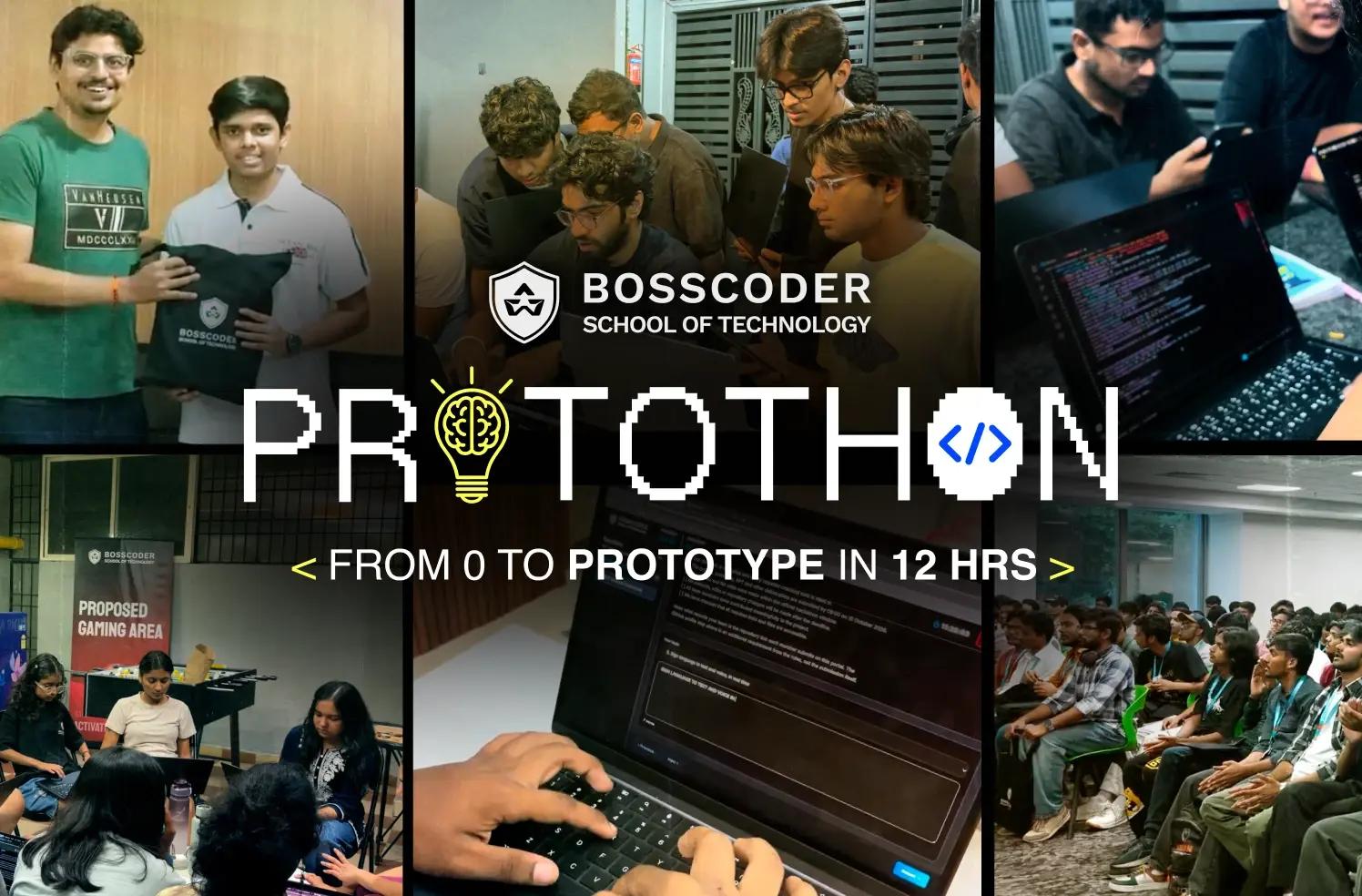
Bosscoder School of Technology Protothon is one such hackathon that lasts for 12 hours. Bosscoder School of Technology organizes this innovation and coding fest among students for identifying problems, ideation, and creation of the product.
Bosscoder School of Technology Protothon: A Hackathon in 12 Hours
A hackathon is an event of finite duration during which individuals or groups of people create technology-driven solutions to problems faced in the world.
BST Protothon allows this experience for students in a building event that lasts 12 hours.
In the October event, students began at 9 PM and ended at 9 AM. The event is all about how students go from theory to practice.
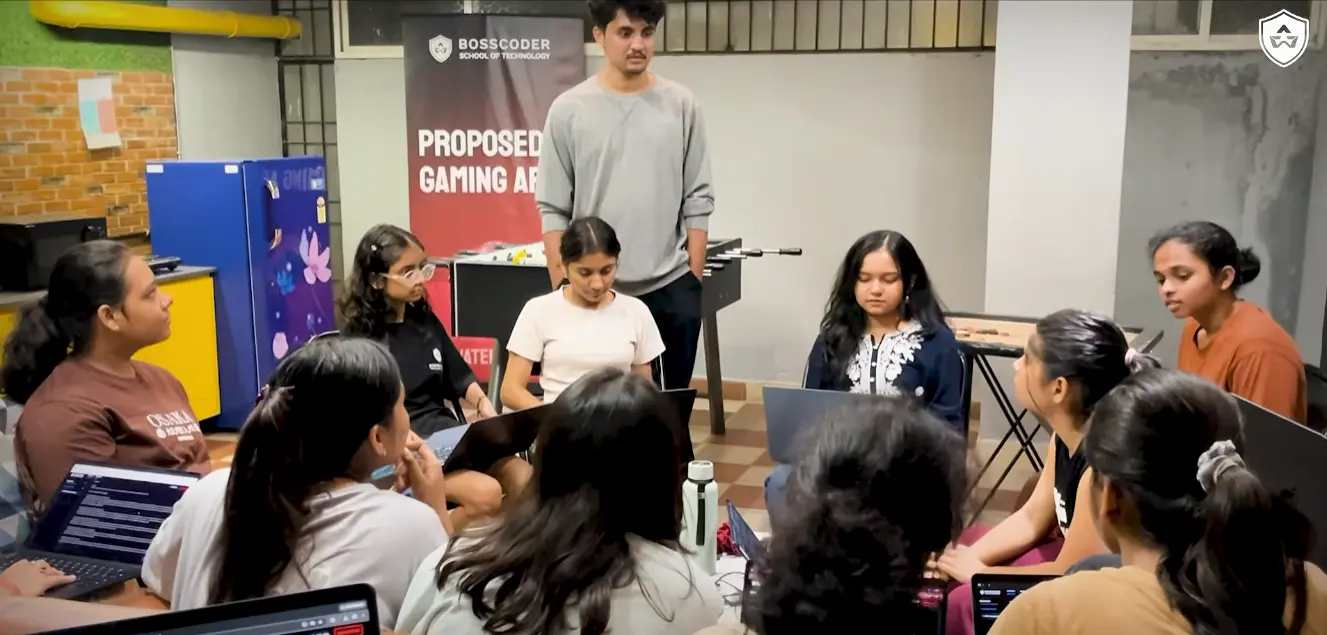
The experience brings out the difference in what happens when students begin using their theoretical knowledge.
BST Protothon reported some of its highlights as follows:
These numbers reflect the scale of student participation and the amount of building involved in the event.
What Happens During a 12-Hour Student Hackathon?
Hackathon is not just an event where participants try to write as much code as possible. They have to comprehend the issue and make a decision about what kind of solution they will create during this time.
During the Bosscoder School of Technology Protothon, there are four critical stages of the process.
1. Understanding Real-World Problems
All successful products come from problems that need solving.
At this stage, students start by understanding the problem statement, brainstorming different solutions and finding the most feasible way.
This stage helps them think about the product rather than directly starting to code.
2. Brainstorming and Team Collaboration
When students know about the problem, they brainstorm ideas and choose how to proceed with the task.
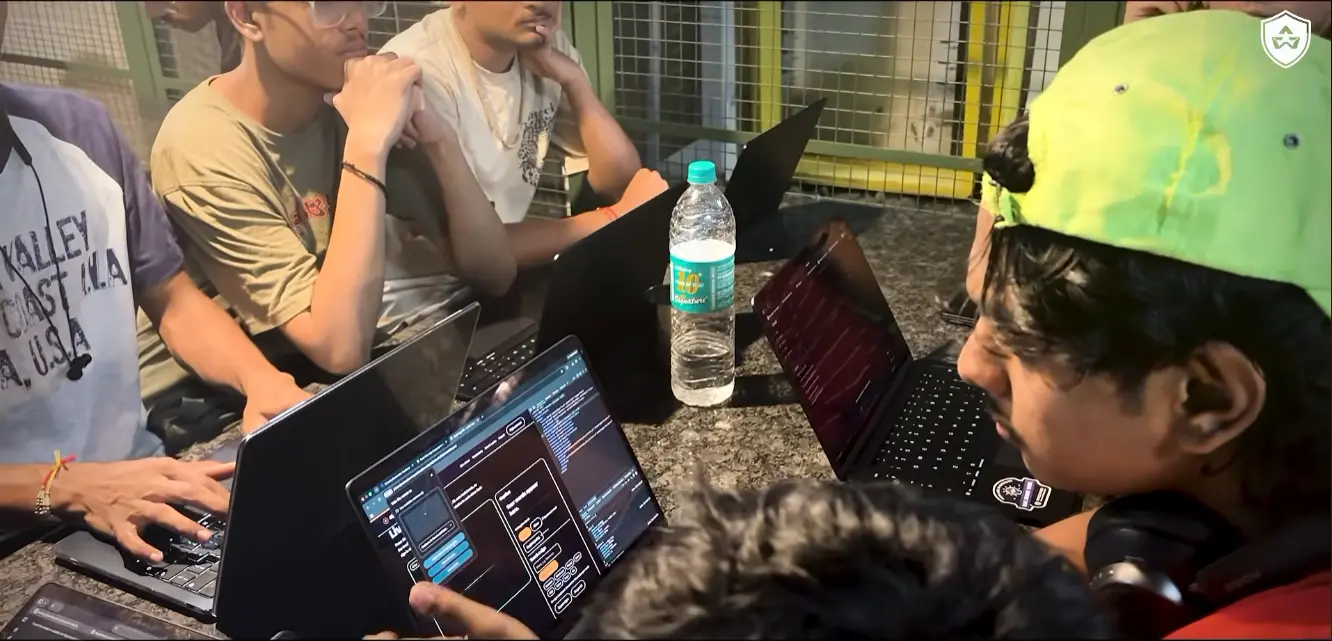
Team members can divide responsibilities based on their strengths, such as:
- Frontend development and user interface design
- Backend development and database development
- Integration of AI and technology
- Testing, debugging, and presentation
It helps students to learn how different technical skills collaborate when creating a product.
3. Building and Testing Prototypes
This is where ideas start becoming real.
Students do coding, experiment with technologies, combine different parts, and test them out.
Because they have only 12 hours for this, they need to prioritize what is important rather than trying to develop all features at once.
At the same time, this process teaches another significant engineering principle: a prototype that works and solves the main problem is worth more than an ambitious but unrealized idea.
4. Presenting the Final Solution
Developing a product is just one part of engineering. Communicating how it works is equally as important.
Students will be able to learn how to communicate about the problem, the solution, the technology and the value of the solution.
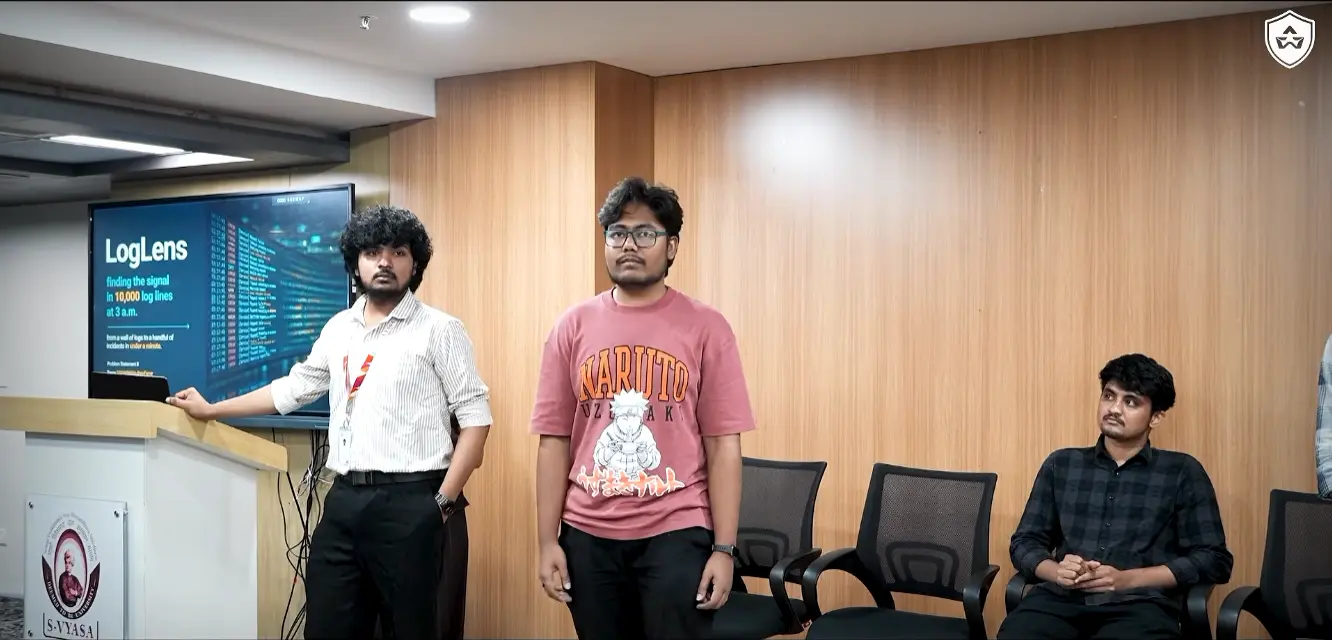
This will help build presentation skills, technical writing skills and self-confidence.
What Students Can Learn From Hackathons Beyond Coding
Student hackathons can help students learn several things that will prove useful in internships and engineering jobs.
These skills become particularly relevant for students who aim to work in software engineering positions at product-based companies.
For instance, an engineer involved in developing a software product should know requirements, write good quality code, collaborate with other developers, and further improve the product based on feedback.
A hackathon gives the chance to practice these skills from an early stage.
Why Hackathons Are Important for Students Targeting Top Tech Companies in 2027
When companies hire software engineers, they not only check programming syntax but also how candidates solve problems and use their knowledge of computer science.
To prepare for technology careers, hackathons may be valuable for gaining more practical skills.
Here are four reasons why you should participate in a hackathon:
- Create a project portfolio: Your working projects may turn out to be valuable additions to your GitHub account and technical portfolio.
- Gain practical experience: Students learn how programming, databases, APIs, and development tools interact with each other.
- Prepare for interviews: Talking about your project architecture, challenges, and decisions will help you prepare for project-based interviews.
- Develop an engineering mindset: Students learn to take responsibility, debug issues, and strive to achieve practical results.
How Bosscoder School of Technology Encourages Learning Through Building
Learning through building is an important part of the education provided at Bosscoder School of Technology (BST).
Rather than restricting students to classroom discussion sessions alone, BST provides students with chances to engage in technical events, create projects and experiment with new technologies right from their initial years in school.
Programs such as Protothon give students a chance to:
- Engage in technical challenges within a set time frame.
- Collaborate with peers and exchange ideas.
- Explore programming and upcoming technologies.
- Create working prototypes based on real life issues.
- Feel confident in doing hands-on learning.
Apart from this, BST gives students opportunities to explore various forms of learning through its BST Student Ideathon where students get to identify problems in real-life real life situations, generate ideas and learn about presenting those solutions.
For students interested in entrepreneurship and product development, BuildX by Bosscoder School of Technology offers another opportunity to understand the journey from identifying a problem to building and validating a product.
The overall objective here is to enable students to have technical and practical knowledge and mindset to explore the opportunities at product-based companies.
Final Thoughts
The 12-hour hackathon provides students with valuable lessons that extend beyond coding. It teaches them about teamwork, decision making, product thinking, and creating something with the pressure of time limits.
The BST Protothon shows how students can apply their limited time, knowledge of technology, and cooperation to create prototypes from their ideas.
For those who plan to have careers in technology in 2027, such experiences could serve as a good foundation. Not only should they attend more hackathons in future, but they must continuously build and improve upon everything that they do.
After all, being a good engineer is not only about understanding technology. It is also about applying it in practice.
Frequently Asked Questions (FAQs)
Q1. What is a hackathon for students?
Hackathons for students are time-limited events during which students develop software solutions to real-life problems, usually in the form of applications or technological prototypes.
Q2. What is Bosscoder School of Technology Protothon?
Protothon is a 12-hour innovation and coding event organised by Bosscoder School of Technology. Students form teams to understand problem statements, come up with ideas and create prototypes.
Q3. Can hackathons help to get job offers from top tech companies?
Yes! Hackathons may improve your project portfolio and give you some practical skills. But, besides, you should focus on DSA, computer science fundamentals, system design basics and tech interviews.
Q4. What should students know before attending a hackathon?
The fundamental of programming, problem solving, Git and GitHub. Also, depending on the project, knowledge of web development, databases, APIs, and artificial intelligence tools may come in handy.